Whether you're preparing for a day hike, a 72-hour emergency, or extended field operations, your tactical backpack is the cornerstone of your loadout. This guide breaks down everything you need to know about choosing the right pack for your mission.
Understanding Pack Sizes
Tactical packs are categorized by their intended duration:
12-Hour / Assault Packs (15-25L)
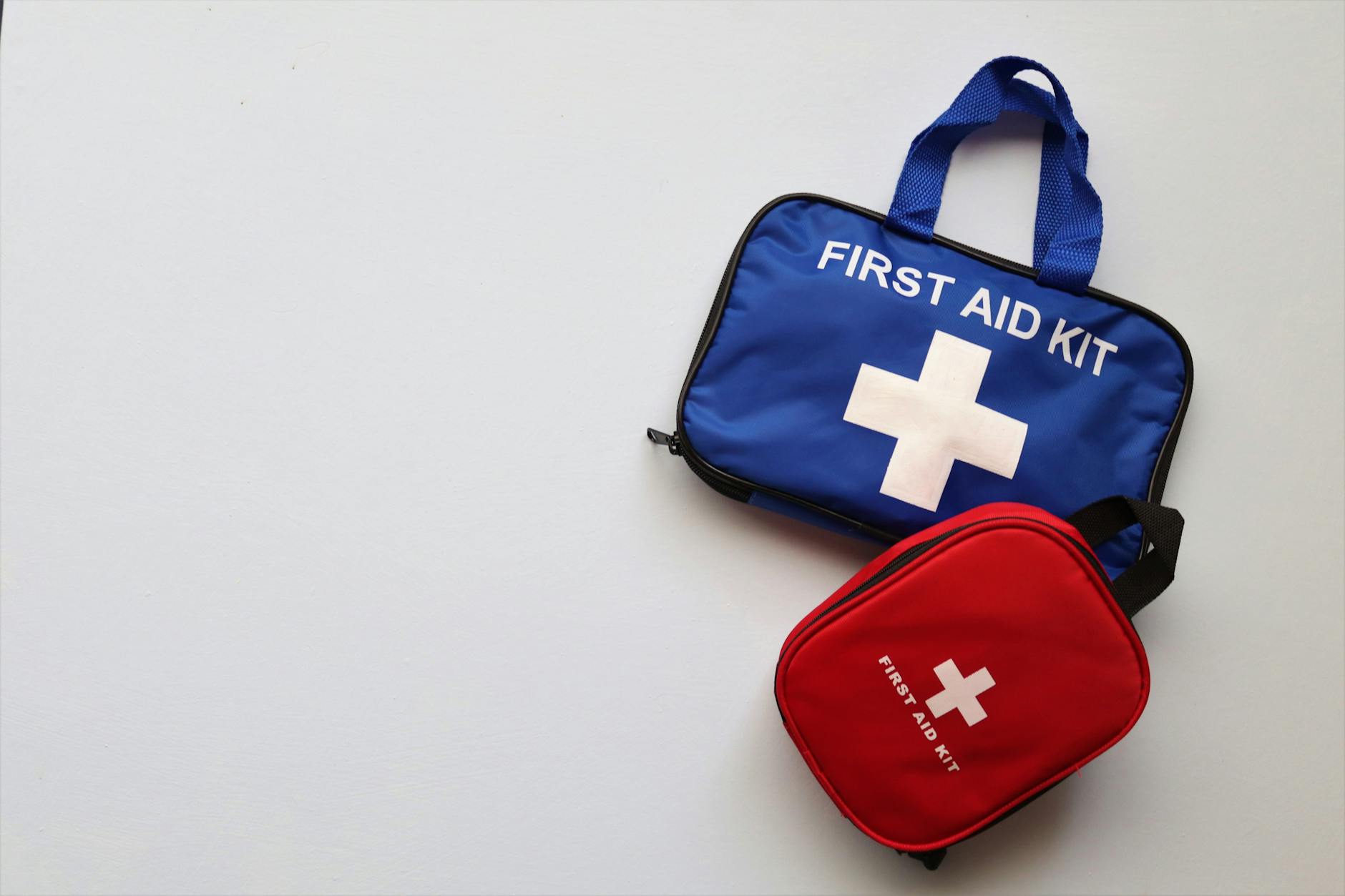
Compact and agile, these packs are designed for day missions. They hold essential gear—hydration, snacks, first aid, and ammo—without weighing you down. Look for low-profile designs that don't interfere with movement or firing positions.
24-Hour Packs (25-40L)
The versatile middle ground. These packs add room for shelter components, extra clothing, and more substantial food stores. Ideal for overnight operations or extended day missions where resupply isn't guaranteed.
72-Hour / Bug-Out Packs (40-60L)
Built for self-sufficiency. These larger packs carry everything needed for three days of independent operation: full shelter system, multiple days of food, water purification, and comprehensive survival gear.
MOLLE Systems Explained
Modular Lightweight Load-carrying Equipment (MOLLE) is the standard for tactical gear attachment:
- Webbing spacing - Standard 1-inch intervals allow universal pouch compatibility
- Attachment points - Count the rows available for pouches on front, sides, and back panels
- Quality indicators - Look for reinforced stitching at stress points and bar-tacked connections
Material Durability
Tactical pack materials are rated by denier (D)—the thickness of individual threads:
500D Cordura
Lightweight and water-resistant. Good for low-profile urban applications and weight-conscious users. Provides adequate durability for most civilian use.
1000D Cordura
The military standard. Exceptional abrasion resistance and load-bearing capability. Heavier but virtually indestructible under normal use. Worth the weight for serious field applications.
Hybrid Constructions
Many modern packs use 500D on less-stressed areas and 1000D where reinforcement matters most—bottoms, straps, and high-wear zones.
Key Features to Evaluate
- Hydration compatibility - Internal sleeve and port routing for bladder systems
- Frame type - Internal frames improve load distribution for heavier weights
- Hip belt - Essential for loads over 25 lbs to transfer weight to hips
- Compression straps - Stabilize loads and cinch down smaller carries
- Access points - Clamshell opening vs top-loading for quick gear access
Top Recommendations
For most users, a quality 24-hour pack in 1000D Cordura offers the best balance of capability and weight. Invest in established brands with proven track records in demanding environments.