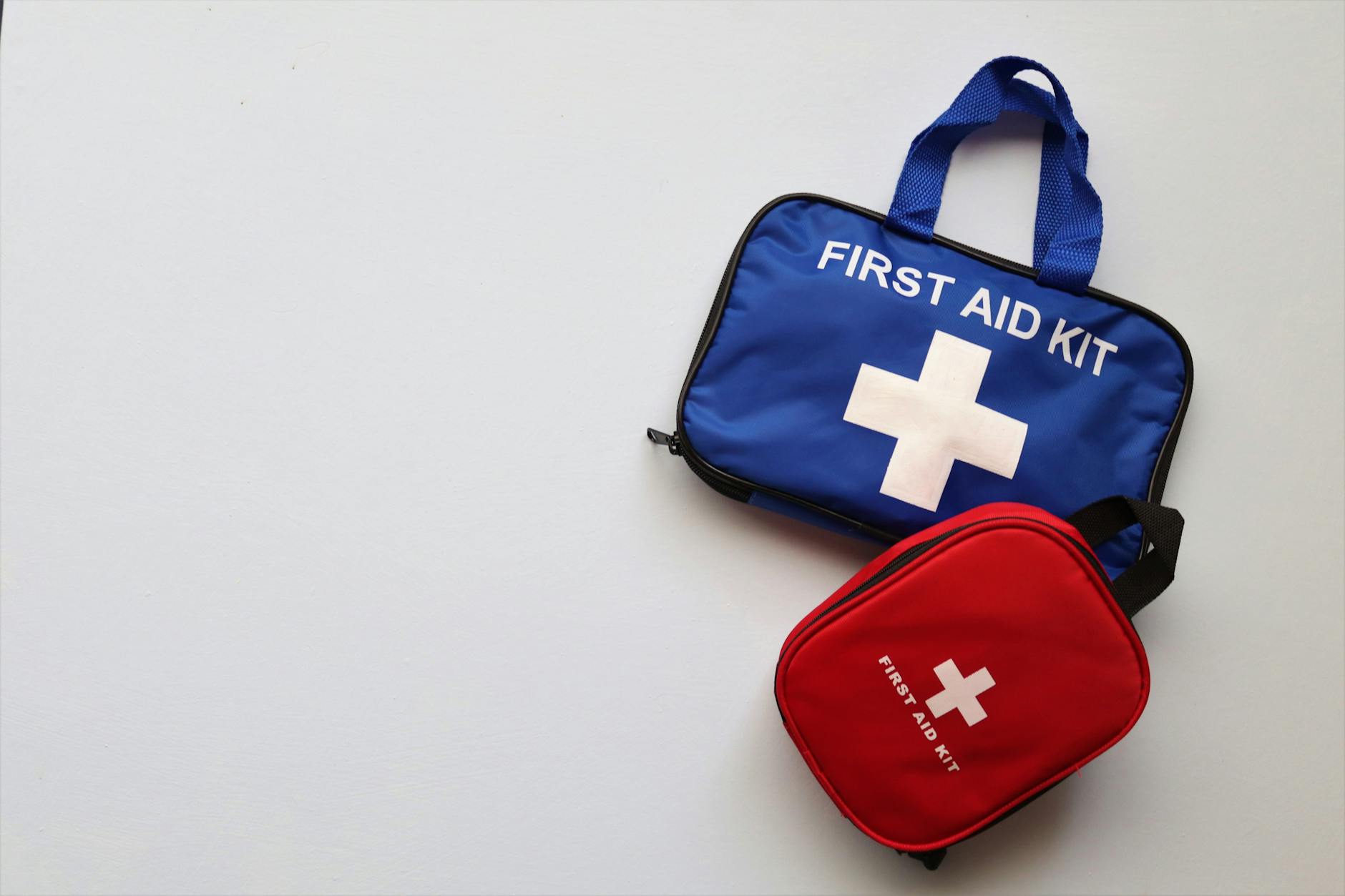
An Individual First Aid Kit (IFAK) is a personal trauma kit designed to address life-threatening injuries in the critical minutes before professional help arrives. Unlike basic first aid kits, IFAKs focus on stopping the most common preventable causes of death: severe bleeding, airway obstruction, and chest wounds.
The Big Three
These items address the majority of preventable trauma deaths:
Tourniquet
The most critical item in your IFAK. A properly applied tourniquet stops severe limb hemorrhage within seconds. CAT (Combat Application Tourniquet) and SOFTT-W are the gold standards. Position for one-handed self-application—you may need to treat yourself. Never use improvised tourniquets when commercial options are available.
Chest Seal
Penetrating chest wounds (gunshot, stab) can cause collapsed lungs. Vented chest seals like the HyFin allow air to escape while preventing entry. Pack two—entry and exit wounds may both need sealing. Apply immediately to any sucking chest wound.
Pressure Dressing
Israeli bandages combine an absorbent pad with built-in pressure application. QuikClot Combat Gauze adds hemostatic agent for wounds where tourniquets can't be applied (junctional areas like groin and armpit). Pack and apply with direct pressure.
Supporting Items
Beyond the big three, include:
Hemostatic Gauze
QuikClot or Celox gauze promotes rapid clotting. Critical for wounds where tourniquets won't work. Requires packing into the wound—training is essential.
Nasopharyngeal Airway (NPA)
Maintains airway in unconscious patients. Inserted through the nostril. Simpler than other airway devices but still requires training.
Trauma Shears
Rapidly cut away clothing to expose wounds. Blunt tips prevent additional injury. Quality shears cut through seatbelts, boots, and multiple clothing layers.
Gloves
Nitrile gloves protect against bloodborne pathogens. Pack multiple pairs—they tear easily in emergencies.
IFAK Placement
Your IFAK must be accessible with either hand. Mount on your belt or plate carrier's lower front panel. Mark its location clearly—others may need to access it to treat you. Avoid backpack storage—you can't reach it if you're the casualty.
Training Requirements
Medical gear without training is just a good intention. Take a Stop the Bleed course at minimum. Tactical Combat Casualty Care (TCCC) training provides comprehensive trauma response skills. Practice with your kit regularly—fine motor skills degrade under stress.
Kit Maintenance
Check expiration dates quarterly. Replace any opened or damaged packages immediately. Vacuum-sealed items last longer. Store away from heat and moisture.