Hot
New

Black Friday hiking and camping gear: what usually goes on sale, when to buy, and how to use price alerts and price history to buy or wait.
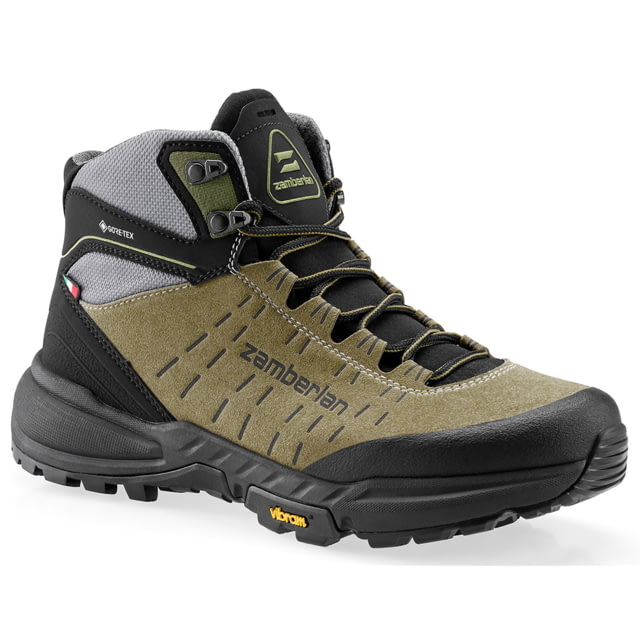
Best hiking boots by terrain: trail runners vs low, mid and high-cut boots, when GORE-TEX is worth it, how lasts fit, and when to buy at a good price.
Shoulder-season hiking and camping gear guide: layering, waterproof boots, three-season tents and sleep systems for spring and fall, plus when to buy.
Ultralight hiking packs 2026 — ALUULA fabric, Gossamer Gear vs Mountain Hardwear, weights, and what's worth it.
For beginners, look for boots with ankle support, Gore-Tex waterproofing, and cushioned midsoles. Salomon Quest 4D, Merrell Moab 3 GTX, and Keen Targhee III are popular choices. All three are frequently discounted at outdoor retailers like Backcountry and REI.
A quality beginner hiking kit costs $300-600 at full price: boots ($150-250), daypack ($80-150), and layers ($80-150). By watching for seasonal sales and clearance events, a complete kit can often be assembled for under $250.
For most day hikes, a 20-30 liter daypack is ideal. It fits water, snacks, a rain layer, and first aid essentials. Look for packs with hip belts for comfort on longer hikes and hydration reservoir compatibility.
Trekking poles reduce strain on your knees by up to 25%, especially on descents. They also improve stability on uneven terrain. Carbon fiber poles are lighter but more expensive; aluminum poles offer better durability for the price.
Use a three-layer system: a moisture-wicking base layer, an insulating mid layer (fleece or down), and a waterproof/breathable outer shell. Avoid cotton, which retains moisture. Merino wool and synthetic fabrics dry quickly and regulate temperature.
