
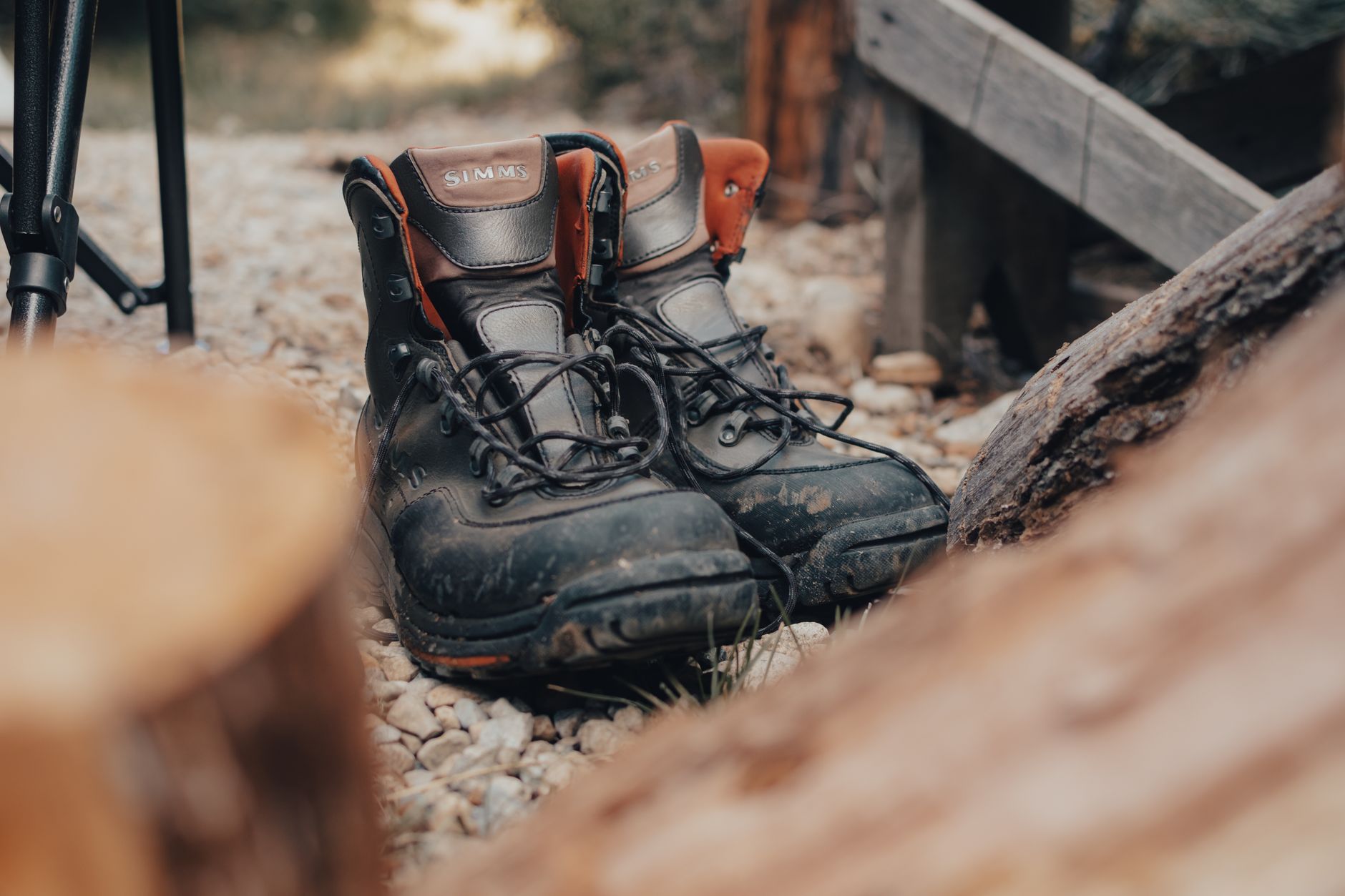
Key Takeaway: The best hiking boot depends on your terrain and use case: trail runners for fast-and-light day hikes, low-cut boots for well-maintained paths, and mid-cut or high-cut boots for technical terrain and heavy pack loads. GORE-TEX waterproofing is worth the extra weight for wet spring, fall and winter conditions, and the La Sportiva TX Hike Mid GTX stands out for scrambly, technical terrain.
Disclosure: deal links on GearSnyper are affiliate links. If you buy through them, we may earn a commission at no extra cost to you.
Trail Runners vs. Hiking Boots: Which Should You Buy?
The single most important decision in hiking footwear is not which brand to buy — it's which category. Trail runners and hiking boots solve different problems, and buying the wrong category for your terrain creates blisters, fatigue, and real risk on technical ground.
Trail runners are the dominant choice for thru-hikers, ultralight backpackers, and day hikers on well-maintained trails. They're lighter (typically 8–12 oz per shoe), dry faster when wet, and break in immediately. The trade-offs: less ankle support, less protection from rocks and roots underfoot, and typically less durable upper materials on rough terrain.
Low-cut hiking boots bridge the gap between trail runners and traditional boots. They offer a stiffer sole for better load transfer, more substantial materials for durability, and often better traction on loose terrain — while remaining nearly as light as trail runners. Best for day hiking and light overnight trips.
Mid-cut and high-cut hiking boots are the right tool for technical terrain, heavy pack loads, loose scree, or any situation where ankle support and rock protection matter. They're heavier and take longer to break in, but that stiffness becomes an asset when you're carrying 40 lbs or navigating talus fields.
Waterproofing: GORE-TEX vs. Non-Waterproof
GORE-TEX lining (denoted GTX on most boots) blocks liquid water from the outside while still allowing water vapor — sweat — to escape. It adds 2–4 oz per boot and costs $30–50 more than equivalent non-waterproof models. For spring, fall and winter hiking in most North American regions, GTX waterproofing is worth it: those seasons bring snowmelt or storm-swollen creek crossings, wet grass and leaves, and unexpected rain.
The limitation of waterproof boots is breathability. When temperatures climb above 65°F or when you're pushing a fast pace, a GTX boot traps heat more than a non-waterproof model. If you hike mostly in dry summer conditions or do high-output trail running, a non-waterproof boot that dries quickly often outperforms a waterproof one over a full day.
For general three-season hiking across varied conditions, choose GTX. For dedicated dry-season trail running or desert hiking, skip it.
What Makes a Technical Approach Boot Different
Approach boots occupy a category between trail runners and rock climbing shoes. They're built for the "approach" — getting to the base of a climb — which often means technical hiking terrain, scrambling on low-angle slabs, and wearing a climbing pack. Key features that distinguish approach boots from standard hiking boots:
- Sticky rubber rand wrapping the toe for smearing on low-angle rock
- Stiff, precise sole that can edge on small footholds
- Asymmetric last for more precise footwork
- Technical lacing for a locked-down, climbing-shoe-like fit
If you hike to climb — whether that's peak-bagging, scrambling Class 3–4 terrain, or multi-pitch climbing with a long walk in — approach boots are the right tool. They're not as comfortable on long flat miles as trail runners, but they're dramatically more capable on technical ground.
Featured Pick: La Sportiva TX Hike Mid GTX
The La Sportiva TX Hike Mid GTX sits at the technical end of the hiking boot spectrum. La Sportiva built the TX (Trail eXtreme) line around the same principles as their approach shoes: sticky Vibram MegaGrip rubber, a precise last, and construction designed for scrambling terrain where most hiking boots fall short.
What sets the TX Hike Mid apart from standard mid-cut hiking boots is the XS Grip rubber on the toe rand. Where a typical hiking boot is helpless on low-angle slabs or wet granite, the TX Hike Mid's rubber compound allows friction-based footwork that serious hikers and peak-baggers actually use. Combined with a GORE-TEX waterproof liner and a supportive mid-cut collar, it covers everything from technical day hikes to Class 3 scrambles to approach walks for multi-pitch climbing.
Technical specs worth knowing: the TX Hike Mid uses a carbon rubber outsole for abrasion resistance on sharp rock, an EVA midsole for cushioning on trail miles, and a quick-lace system for dialing in fit across different terrain. The fit follows an Italian last, which generally means narrow to medium width. Hikers with wide feet may need to size up or consider Lowa's German-made alternatives which run slightly wider.
Other Strong Options by Category
For technical terrain (women's): The Lowa Locarno GTX Lo is a well-regarded GORE-TEX hiking boot from a German brand known for fit precision and durability. The Locarno's lower cut works well for hikers who prefer freedom of motion but still want solid protection and a stiffer sole than a trail runner.
For moderate trails and casual use: The Oboz Sapphire Mid B-Dry offers reliable waterproofing, solid grip on packed dirt and gravel, and a comfortable wider fit. Oboz is based in Bozeman, Montana.
For high-output trail running: The HOKA Speedgoat line is a popular max-cushion trail shoe with a deep-lug Vibram outsole. Best for runners and fast-packers rather than technical terrain hikers.
Key Things to Look for When Buying
Traction rubber compound matters more than lug depth on most terrain. Sticky compounds such as Vibram MegaGrip and La Sportiva's XS Grip are built for wet rock, and hikers widely report better grip from them than from generic rubber, regardless of how aggressive the tread looks. When buying technical hiking footwear, check the rubber compound — it's listed in spec sheets and matters on any terrain that's not dry dirt.
Last shape determines fit more than brand. Italian lasts (La Sportiva, Scarpa) run narrow to medium. German lasts (Lowa, Hanwag) run medium to wide. American brands (Oboz, Danner) vary by model. If possible, try boots on at the end of the day when your feet are at their largest, with the socks you'll actually hike in.
Break-in time scales with stiffness. Trail runners have zero break-in. Low-cut boots typically need 5–10 miles. Stiff mid-cut and high-cut boots may need 20–30 miles before they're fully comfortable on all-day hikes. New technical boots on a long hike will produce blisters — factor this into trip planning.
When to Buy Hiking Boots
Buy boots when the price history shows the model near its low, and early enough to break them in before a big trip. Boot prices move with seasonal clearance and late-November sales, so check a boot's price chart and use Buy-or-Wait: buy if the price is near its recent low and you need the boots soon, or set a price alert and wait if it isn't. Browse current hiking boot deals. (Deal links are affiliate links; we may earn a commission.)
Frequently Asked Questions
Do I need waterproof boots for hiking?
For wet conditions in spring, fall and winter (snowmelt, stream crossings, wet leaves and grass), yes, GORE-TEX or equivalent waterproofing is worth the added weight and cost. The exceptions are hot summer hiking and the desert Southwest, where breathability matters more than waterproofing.
How much should I spend on hiking boots?
Quality hiking boots in the $100–180 range offer genuine waterproofing, durable uppers, and decent traction rubber. Boots under $80 typically cut corners on rubber compound or waterproof membrane performance. Boots above $200 offer technical features that matter for technical terrain but are wasted on maintained trails. For most hikers, the $120–160 range represents the best value.
Should I buy hiking boots or trail runners?
If you mostly hike maintained trails with a daypack, trail runners will be more comfortable for most people. If you carry a heavy pack, hike technical terrain, or prioritize ankle support, mid-cut or high-cut boots earn their weight. Most experienced thru-hikers use trail runners, but traditional boots remain the right tool for technical and heavy-load applications.
What's the difference between B-DRY and GORE-TEX?
GORE-TEX is the market standard waterproof-breathable membrane, licensed by many manufacturers. B-DRY is Oboz's proprietary equivalent. For typical day hiking, both are designed to do the same job; fit and the rest of the boot usually matter more than which membrane it uses.